
Multifamily Property Maintenance
A Practical Guide for Bay Area Property Managers
Multifamily properties are a different animal from single-family homes. When you’re responsible for a building full of people sharing walls, plumbing systems, and common spaces, multifamily property maintenance isn’t just a line item on a budget; it’s the foundation of everything: tenant satisfaction, property value, and your professional reputation.
Bay Area property managers know this better than anyone. In a market where vacancy costs real money, and tenants have options, a well-maintained property isn’t a nice-to-have. It’s a competitive advantage.
What Counts as Multifamily Housing
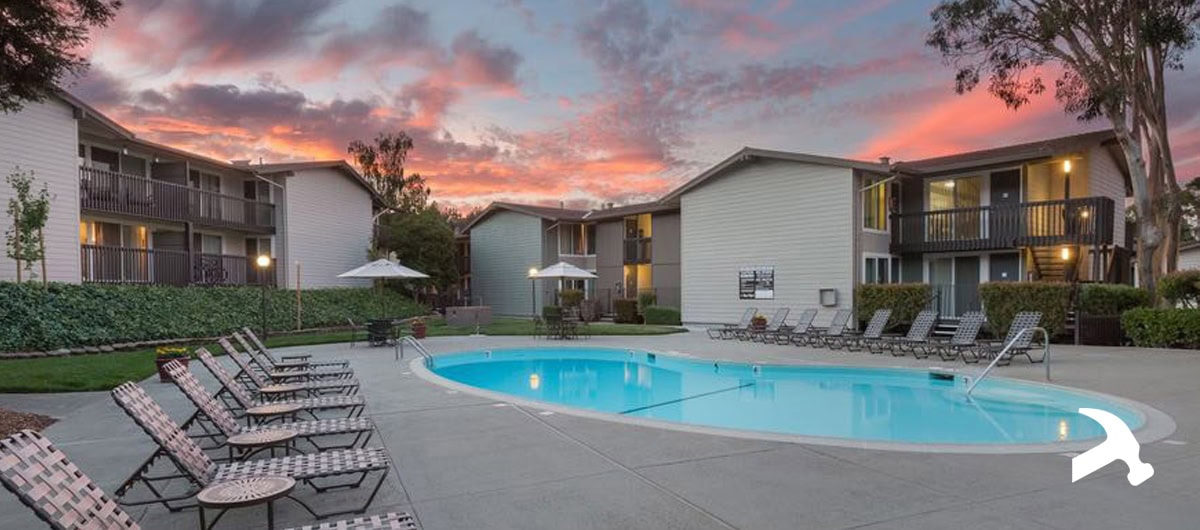
Multifamily housing is any residential property with multiple independent living units in a single building or complex. The scale varies widely. You might manage a four-unit building in the Sunset District or a 200-unit complex in Oakland. Common property types include:
- Apartment buildings
- Condominiums
- Duplexes and triplexes
- Townhomes
- Bungalow courts
The maintenance principles stay consistent regardless of size, but the stakes and complexity scale up quickly with the number of units.
The Core Maintenance Categories
Effective multifamily maintenance covers a lot of ground. Most property managers organize their responsibilities into a few core areas:
Mechanical Systems: HVAC, plumbing, and electrical are the systems tenants notice most when something goes wrong. Regular servicing extends equipment life and keeps service calls from becoming emergencies. In the Bay Area, older buildings especially require consistent attention to aging infrastructure.
Building Envelope: Roofs, windows, doors, siding, and exterior finishes protect everything inside. California Senate Bill 721 has raised the stakes for multifamily buildings with three or more units, mandating professional inspections of exterior elevated elements, such as balconies, staircases, and decks, every six years. Deferred maintenance on these elements is both a liability and a compliance issue.
Common Areas: Lobbies, hallways, laundry rooms, parking areas, and outdoor spaces shape the daily experience for every resident. Keeping them clean, well-lit, and in good repair signals to tenants that management takes the property seriously.
Unit Interiors: Apartment turnovers are where maintenance programs get tested. Kitchen and bathroom conditions, flooring, paint, cabinetry, and fixtures all factor into how quickly a unit rents and at what price. Quick, quality turnovers protect rental income.
Landscaping & Curb Appeal: First impressions matter for prospective tenants and neighbors. Consistent landscaping maintenance is low-drama when it’s on a schedule and expensive when it’s not.
Reactive vs. Preventive Maintenance
Most property managers are comfortable handling reactive maintenance, responding when something breaks. The harder discipline, and the one with the bigger payoff, is preventive maintenance.
Think of it this way: a plumbing inspection that catches a slow leak costs a fraction of what the water damage remediation would cost if it goes unnoticed. An annual balcony inspection is far less disruptive than an emergency structural repair with tenants in place.
A solid preventive maintenance calendar typically covers:
- Seasonal HVAC servicing
- Gutter cleaning
- Exterior inspections
- Fire safety system testing
- Pest control
- Periodic walkthroughs of common areas and building systems
The specifics depend on your property type and age, but the principle is the same: get ahead of problems before tenants feel them.
Handling Maintenance Requests Well
How a management team handles maintenance requests shapes residents’ feelings about their home. A fast, professional response builds trust. A slow or frustrating experience erodes it.
A few practices that make a real difference:
Put a clear process in place. Tenants should know exactly how to submit a request and what to expect. Emergencies like active leaks or electrical failures should have a direct call path. Routine repairs work better when documented in writing, so there’s a record of the request date and the response.
Communicate throughout the process. Acknowledge the request, share a realistic timeline, and follow up when the work is done. Tenants don’t expect instant fixes for everything, but they do expect to be kept informed.
Work with licensed, insured vendors you trust. Your contractors are an extension of your management team in the eyes of your residents. Established relationships with reliable plumbers, electricians, HVAC technicians, and general contractors make a noticeable difference in both quality and turnaround time.
When Renovations Become Part of the Picture
Maintenance keeps a property running. Renovation keeps it competitive.
Bay Area multifamily properties face real pressure to stay current. Updated kitchens and bathrooms, refreshed common areas, and improved outdoor amenities are the factors that attract quality residents and support strong rental rates. When a property starts to feel dated compared to the competition, occupancy and rents follow.
The challenge is executing renovations in occupied buildings without creating chaos. This is where a lot of property managers get burned: hiring contractors who treat multifamily occupied buildings like new construction projects. The right construction partner understands that your residents are home during the day, that noise travels through shared walls, and that disruption to one unit can create friction across the whole building.
At Rockaway Construction, we’ve spent 25 years working in occupied multifamily buildings throughout the Bay Area. Strategic scheduling, professional containment systems, and crews who understand how to operate respectfully in a residential setting make the difference between a renovation that goes smoothly and one that generates complaints to ownership.
The Cost of Deferred Maintenance
It’s tempting to push maintenance items to next quarter or the quarter after that. The numbers often don’t feel urgent in the moment.
But deferred maintenance compounds. A small dry rot issue becomes a structural repair. A failing gutter system leads to water intrusion and interior damage. A balcony that needed attention two years ago now requires full replacement under SB 721 inspection requirements, with residents displaced during the work.
Beyond the direct repair costs, there are downstream effects on:
- Tenant retention
- Property value at sale or refinancing
- Your credibility with ownership
A property with a history of deferred maintenance is a harder asset to manage, lease, and eventually exit.
What a Good Maintenance Partner Looks Like
Whether you’re handling maintenance in-house or working with outside contractors, the criteria are the same: reliability, clear communication, and accountability for results.
For renovation and repair work specifically, here are the right questions to ask:
- Do they have demonstrated multifamily experience in occupied buildings?
- How do they minimize disruption to existing tenants?
- Who is your single point of contact throughout the project?
- Can they provide a realistic timeline with appropriate buffers?
- Do they understand Bay Area permit requirements and SB 721 inspection mandates?
A contractor who’s done this work for years in the Bay Area will also have established relationships with local building departments and inspectors. Something that matters more than it might seem when timelines are tight.
Ready to Talk About Your Property?
Whether you’re building a preventive maintenance program from scratch, catching up on deferred work, or planning renovations that need to happen with residents in place, the right approach makes the difference between a smooth project and a management headache.
At Rockaway Construction, we handle multifamily renovation and repair work throughout the San Francisco Bay Area, from quick-turn unit refreshes to balcony rehabilitations to full common area overhauls. We take complete project responsibility so you can stay focused on running your property.
Call us at (650) 738-9920 for a quote, or visit us online to schedule a consultation.
About Rockaway Construction: We specialize in commercial tenant improvements and multifamily construction throughout the San Francisco Bay Area. Our self-performing craftsmen and complete project management approach help property professionals achieve predictable results without the typical construction headaches. Learn more about our commercial services and multifamily expertise.
Licensed GC #800576 | Woman-Owned Business | 25+ Years Serving the Bay Area

Sheena Fitzpatrick Principal, Rockaway Construction
Sheena and the Rockaway Construction team specialize in building, renovating, and maintaining commercial, residential, and multifamily properties throughout the Bay Area. With years of experience in construction and project management, she’s passionate about helping property owners and managers keep their buildings safe, modern, and marketable.
She knows that great construction isn’t just about the work—it’s about delivering on promises, solving problems before they escalate, and making life easier for her clients.
You can find Sheena on LinkedIn and right here on the blog, where she shares insights on construction, maintenance, and smart property management.